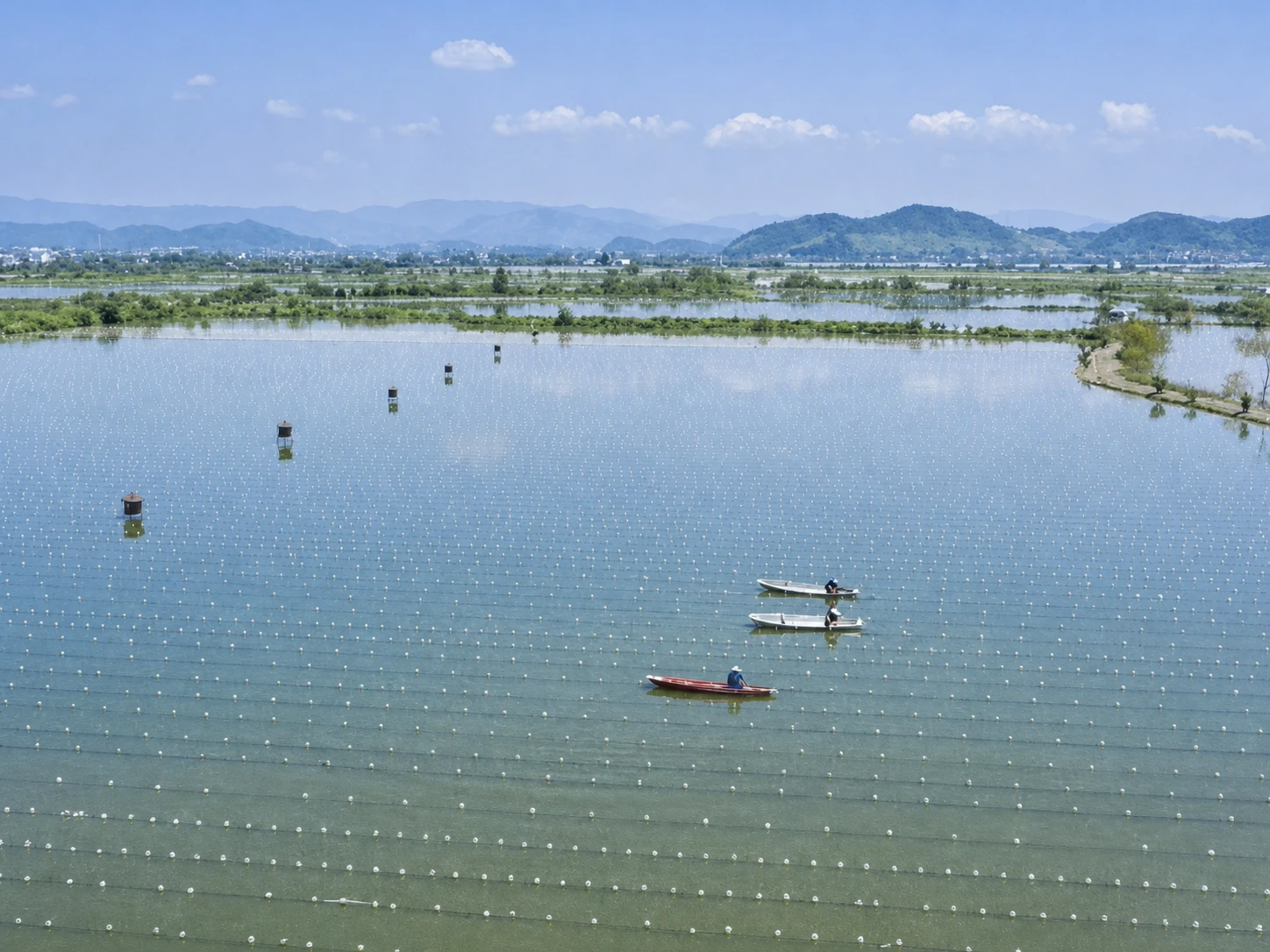
Responsible sourcing covers more than the pearl itself. It includes cultivation information, material disclosure, chemical management, packaging, durability and claims that can be supported by evidence.
Start with transparency
Ask where pearls are cultivated and processed, whether colors are treated, and where jewelry components originate. Product claims should be supported by records, supplier declarations or relevant test reports.
Consider water and cultivation practices
Freshwater cultivation depends on healthy water systems. Buyers can ask about stocking density, water monitoring, waste handling and local environmental requirements, then track practical improvement over time.
Manage components and chemicals
Findings may include silver, steel, brass, plating, adhesives and coatings. Define lead, cadmium and nickel-release requirements for the sales market. Ensure testing matches the actual material and production batch.
Reduce impact through design
Right-sized recyclable packaging can lower material use and shipping volume. Secure construction, repairable components and clear care guidance extend product life. Avoid broad claims such as zero impact; communicate specific, verifiable actions instead.
Need current pearl samples or a quote?
Send Tony your required pearl type, size, color, quality, quantity and intended use. We can share current batch photos, sample options and wholesale pricing.
Ask Tony on WhatsApp