Article focus: Zhuji's freshwater pearl history, Shanxiahu's industrial rise, the East China International Jewelry City, livestream commerce, and the city's modern supply-chain advantages.
Introduction
Zhuji, a county-level city in Zhejiang Province, China, is now one of the most recognized freshwater pearl centers in the world. Its pearl story is closely connected with Shanxiahu Town, a small area of ponds, villages, trading halls, workshops, inspection centers, livestreaming studios, and jewelry businesses.
For international buyers, Zhuji is important because it is not only a place where pearls are cultivated. It is also a complete business ecosystem: farming, sorting, processing, drilling, matching, jewelry design, quality inspection, wholesale, retail, e-commerce, cross-border trading, and cultural tourism are connected in one local cluster.
The development of Zhuji pearls shows how a rural freshwater aquaculture industry grew into a global pearl supply chain. From simple ponds and raw pearl trading to branded jewelry, digital sales, and smart aquaculture, Zhuji has turned a small pearl into a large modern industry.
1. Early Origins: From Ponds to Pearl Farming
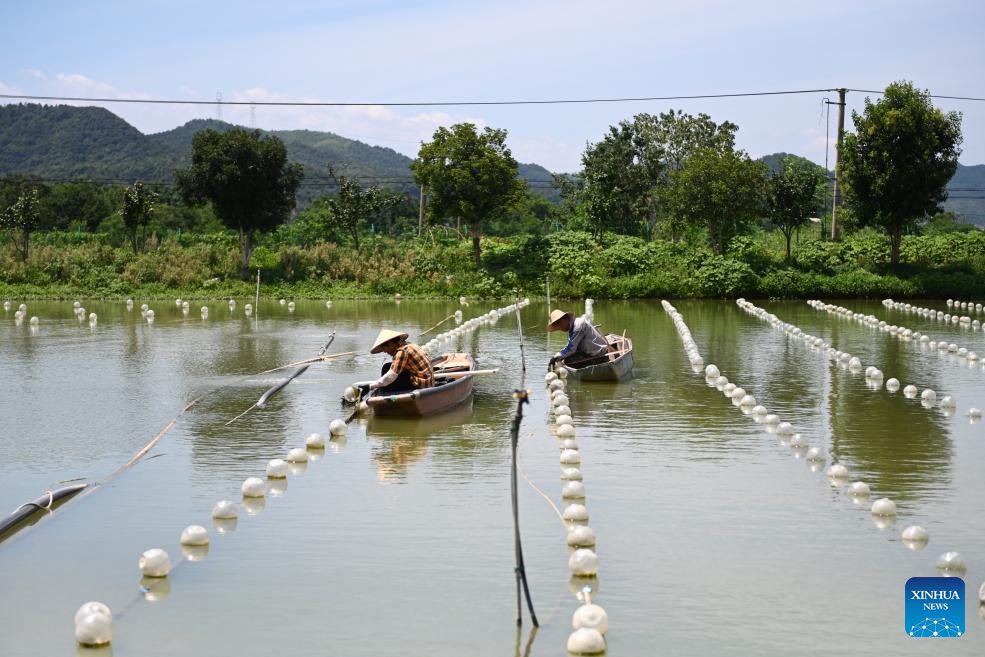
Shanxiahu began cultivating pearls in the late 1960s and has developed for more than half a century [1]. The area had suitable freshwater resources, pond networks, and local farming experience, which made it possible for villagers to raise mussels and culture freshwater pearls.
In the early period, the pearl business was highly local and labor-intensive. Farmers raised mussels, harvested pearls, and sold raw pearls to traders. Compared with the modern market, the industry was scattered and lacked strong branding, design, and international sales channels.
However, these early farmers built the foundation of Zhuji's pearl economy. Their work helped Shanxiahu move from ordinary freshwater aquaculture toward a specialized pearl industry. As more families joined the trade, knowledge about mussel care, pearl harvesting, grading, and processing gradually accumulated inside the town.
2. From Local Stalls to an Organized Pearl Market
For many years, Zhuji pearls were known more as raw materials than as finished jewelry. Local farmers and traders supplied pearls to buyers from other parts of China and to international channels, while stronger consumer-facing brands often belonged to companies outside the farming base.
A major turning point came in 2008, when the East China International Jewelry City was put into use. Xinhua described it as the world's largest pearl trading market and a key step that made the name of Zhuji Shanxiahu pearls better known [2]. The market gave local merchants a more professional place to trade pearls, display products, build brands, and connect with domestic and overseas customers.
Today, Shanxiahu is widely described as a major pearl trading center. Official and media reports commonly note that the town handles about 80% of China's pearl transactions and around 70% of the world's pearl transactions [2]. This does not mean every pearl is farmed in one pond; it means Zhuji has become a central marketplace where production, processing, wholesale, and trading activity are highly concentrated.
3. The Rise of a Complete Pearl Industry Chain
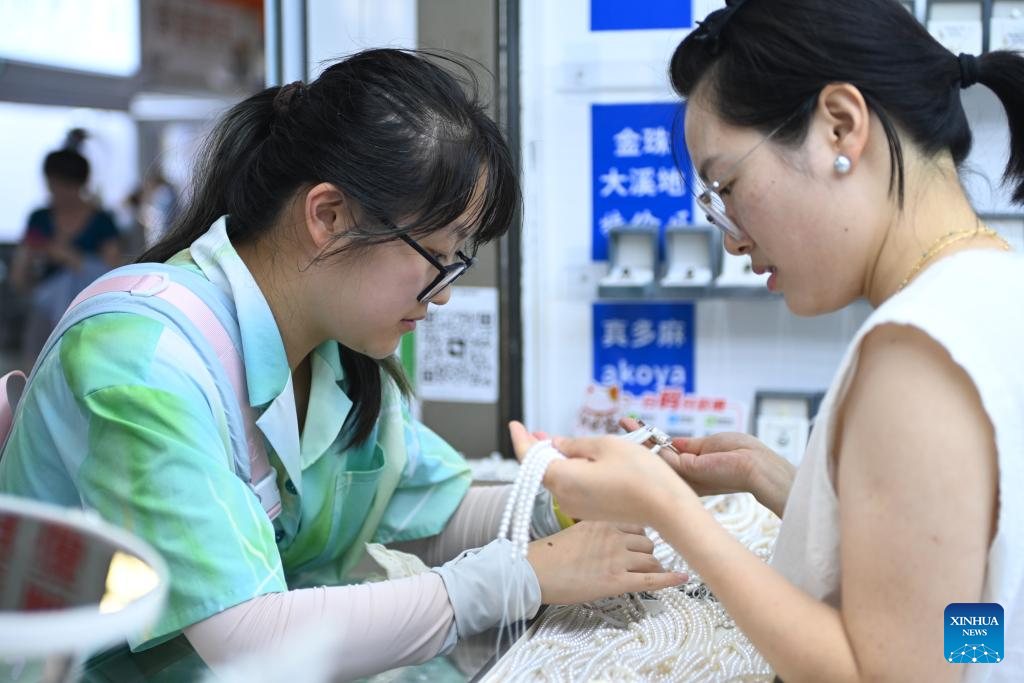
The strength of Zhuji's pearl industry lies in its complete supply chain. Shanxiahu has more than 9,000 businesses engaged in pearl cultivation, processing, wholesale, and retail, with over 20,000 people working in the industry [1]. This density allows buyers to find many product types and price ranges in one place.
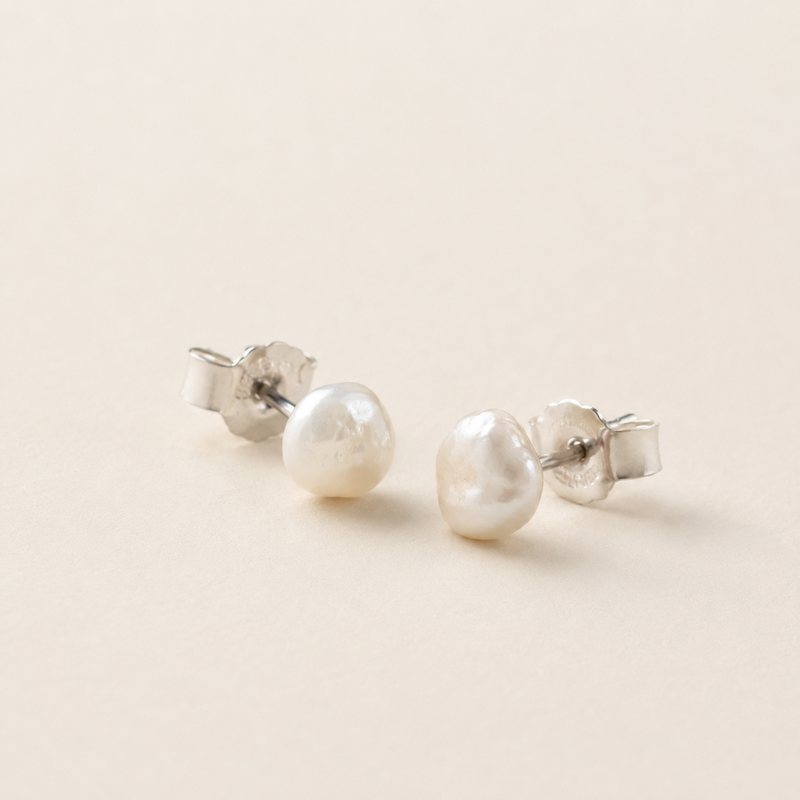
Zhuji's pearl products include round pearls, near-round pearls, rice pearls, button pearls, baroque pearls, coin pearls, loose pearls, strands, earrings, bracelets, necklaces, pendants, and finished jewelry sets. Natural freshwater pearl colors often include white, cream, pink, peach, and lavender tones.
The cluster also supports downstream services such as drilling, matching, polishing, jewelry setting, packaging, photography, livestream operation, quality inspection, logistics, and cross-border e-commerce support. For wholesale buyers, this matters because it can reduce sourcing time and make customization easier.
4. Digital Sales and Livestreaming
In the last decade, Zhuji pearls entered a new digital stage. Traditional wholesale is now combined with livestreaming, short-video platforms, and cross-border e-commerce. China Daily reported that Shanxiahu is China's largest freshwater pearl processing and trading center, and that its pearl transactions exceeded RMB 40 billion in 2022 [3].
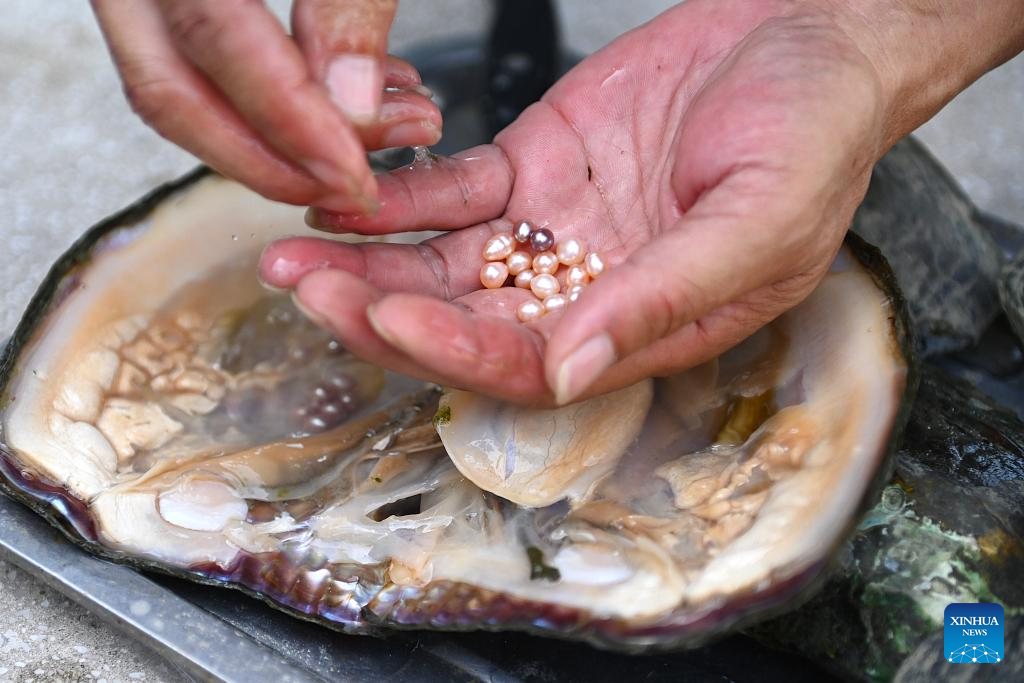
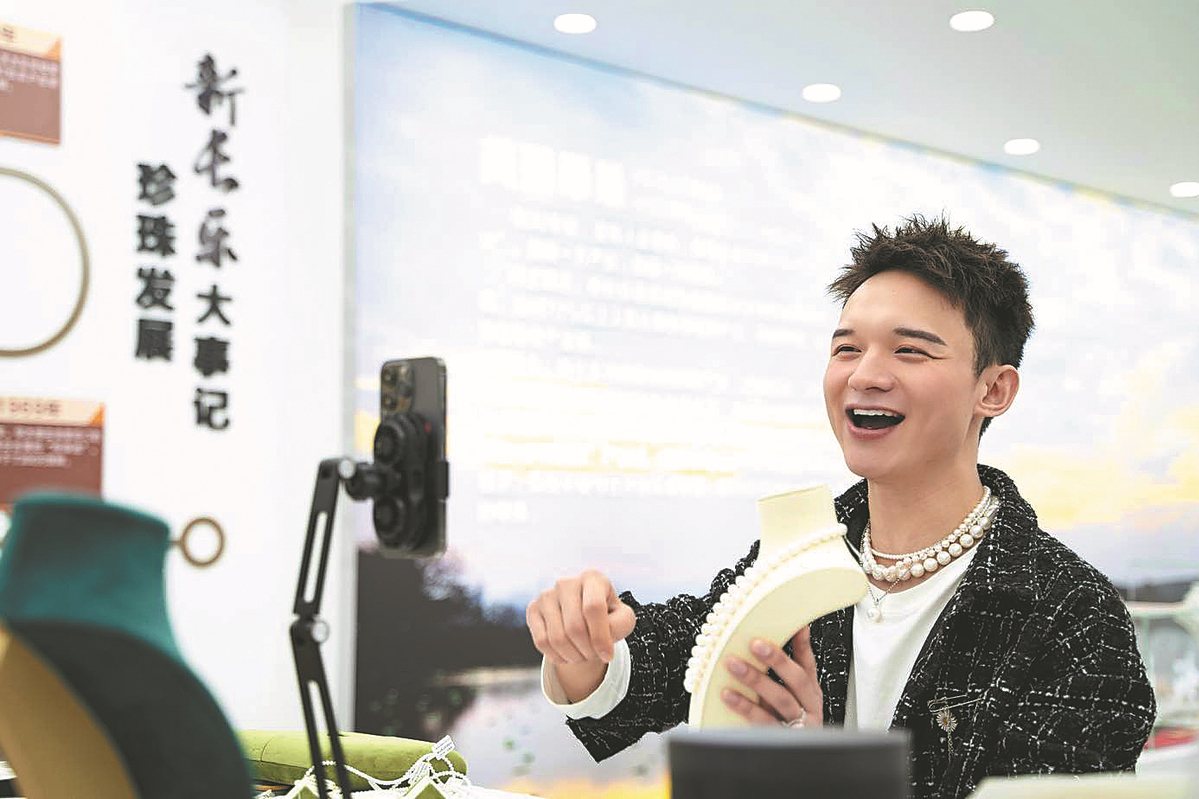
Livestreaming has changed the way consumers experience pearls. Instead of only seeing finished jewelry in a shop, buyers can watch sellers open mussels, explain pearl differences, show luster under lighting, compare shapes, and introduce jewelry designs in real time.
This digital shift has also attracted younger entrepreneurs back to their hometown. Local reports describe thousands of livestreamers and online sellers working in Shanxiahu, turning the traditional pearl market into a content-driven jewelry business base [3].
5. Technology, Quality Control, and Greener Farming
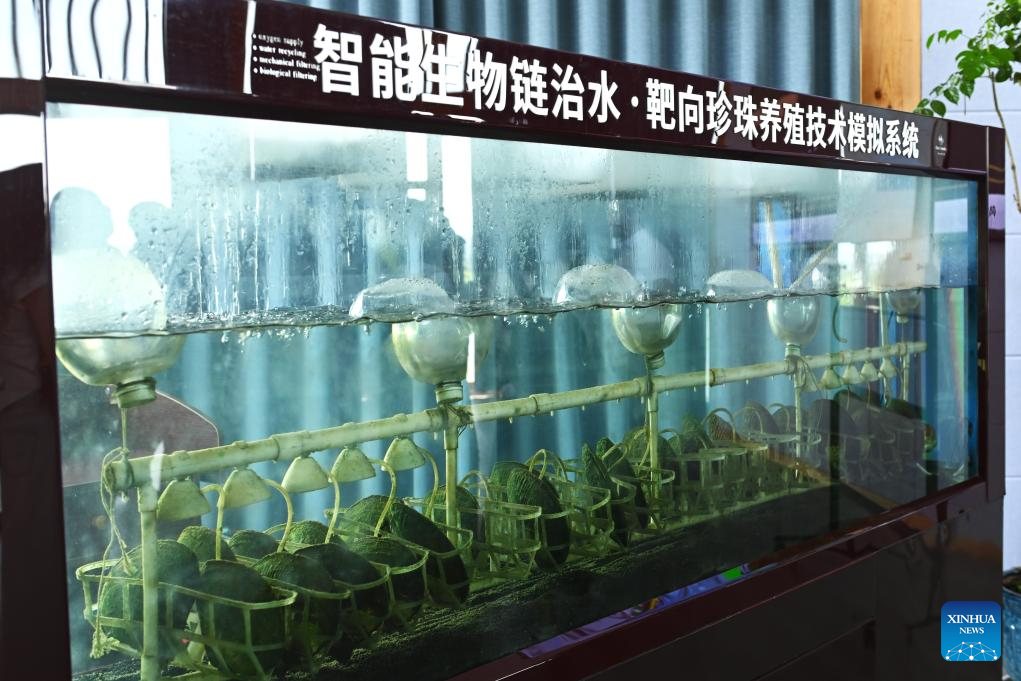
Modern Zhuji pearls are no longer only about traditional pond farming. In recent years, Shanxiahu has adopted technological innovation to support eco-friendly pearl farming and green development [4]. Smart systems, targeted feeding, water purification, and better aquaculture management are increasingly part of the local story.
Xinhua reported that smart targeted feeding and ecological water management can improve both water quality and pearl output quality. Local innovation has helped raise yields and improve indicators such as size, body color, surface quality, and luster [1].
Quality control is another key part of Zhuji's transformation. As e-commerce and livestreaming increased, consumers became more concerned about authenticity, freshwater versus synthetic materials, and accurate product descriptions. Local markets have therefore strengthened inspection, traceability, and integrated quality-control services [2].
6. Zhuji Pearls in the Global Market
The global importance of Zhuji pearls is supported by scale. Recent industry reporting states that Zhuji produced 600 tonnes of freshwater pearls in 2024, accounting for about 70% of total production worldwide, while annual pearl sales in Zhuji exceeded RMB 50 billion [5].
For overseas buyers, Zhuji's advantage is variety and flexibility. Compared with many saltwater pearl categories, freshwater pearls are available in more shapes and sizes and are often more accessible in price. This makes them suitable for fashion jewelry, gift collections, everyday pearl studs, baroque pearl designs, and private-label product lines.
Zhuji is also moving from production volume toward better design, branding, and certification. Industry conferences, jewelry design contests, international trade shows, and quality-inspection systems all support the city's ambition to become not only a production base, but also a global pearl fashion hub.
Conclusion: A Small Pearl, a Large Industry
The history of Zhuji pearls is the story of local entrepreneurship, industrial clustering, and continuous upgrading. From freshwater ponds in Shanxiahu to one of the world's most important pearl markets, Zhuji has built an industry that connects farmers, processors, designers, wholesalers, livestreamers, brands, and international buyers.
Looking ahead, Zhuji pearls will likely continue moving toward higher quality, clearer grading, stronger branding, better design, and greener aquaculture. As global buyers pay more attention to natural luster, shape, size, surface quality, authenticity, and supply-chain reliability, Zhuji's complete pearl ecosystem gives it a strong position in the future of freshwater pearls.
Every freshwater pearl from Zhuji carries more than natural beauty. It also carries the story of a city that turned local ponds into a world-class pearl industry.
Quick Facts for Buyers
| Topic | Key Point |
|---|---|
| Location | Shanxiahu Town, Zhuji City, Zhejiang Province, China |
| Industry origin | Pearl farming developed from the late 1960s and has grown for more than half a century |
| Main strengths | Freshwater pearl farming, processing, wholesale, jewelry design, inspection, e-commerce, and cross-border sales |
| Product range | Loose pearls, strands, pearl earrings, necklaces, bracelets, pendants, baroque pearls, and customized jewelry |
| Buyer value | Large supply, many grades and shapes, flexible customization, mature wholesale market, and strong supporting services |