Define the authenticity question before choosing a test
Authenticity is too broad to be a useful laboratory instruction. A buyer may need to know whether an object is pearl or imitation, natural or cultured, freshwater or saltwater, nacreous or non-nacreous, or whether a color treatment is detectable. Classification of size, shape, color, luster, surface, nacre and matching is another task. Write the business question first, because different services produce different conclusions and a quality classification report may not provide identity or treatment information.
Connect the question to a decision. A high-value one-of-a-kind necklace, a recurring commercial strand program and a low-cost fashion accessory do not carry the same evidence need. Consider claim sensitivity, lot value, customer requirements, supplier history, color risk and the cost of an incorrect representation. This risk assessment determines whether document review, incoming screening, targeted sample testing or item-by-item laboratory work is proportionate. It also prevents paying for an impressive report that does not answer the purchase decision.
Use visual and basic screening as triage, not proof
Incoming inspection can compare dimensions, weight, drill holes, surface features, luster, color distribution and matching with the specification and retained sample. Magnification may reveal coating, dye concentration or manufactured surfaces that deserve investigation. A consistent lot record can also expose an unexpected change. These checks are valuable for quality control and sample selection, but they do not reliably reveal every internal growth structure or sophisticated color process.
Avoid destructive internet tests, tooth rubbing, scratching, burning or chemical exposure. Such methods can damage nacre, thread, adhesive, coatings or metal and still produce ambiguous results. Even a genuine cultured pearl can behave differently because of surface condition or treatment, while a convincing imitation may pass a casual tactile test. When identity matters, record the screening observation and send the item to a qualified pearl laboratory rather than converting a clue into a definitive claim.
Understand how laboratories examine pearls
GIA describes pearl analysis as a sequence that includes surface observation and advanced techniques. Digital X-radiography reveals internal growth structures and is central to separating natural from cultured pearls. Depending on the question, laboratories may also use microscopy, X-ray fluorescence, UV-Vis reflectance, Raman or photoluminescence spectroscopy and other instruments. The laboratory selects methods according to the item, observations and requested service; a buyer should not prescribe one instrument as a universal answer.
Treatment detection can be especially complex. Some color modifications leave visual indications, while others require spectral evidence and comparison with reference data. A finding normally applies to the submitted pearl or article under the methods and access available. Mountings, stringing, quantity and pearl orientation can affect examination. Ask the laboratory how it handles strands, mounted jewelry, mixed items and inconclusive results before submission, and do not remove pearls from jewelry unless the service and ownership responsibilities are agreed.
Choose the report type and sampling plan deliberately
An identification report can address identity and detected treatments, while a classification service may describe cultured-pearl quality factors without providing identification or treatment conclusions. Service names vary by laboratory, so read the current scope rather than relying on a familiar label. Request fees, turnaround, item limits, return shipping, insurance requirements and report format directly from the laboratory; these are operational terms that can change and should not be copied from an old article or supplier promise.
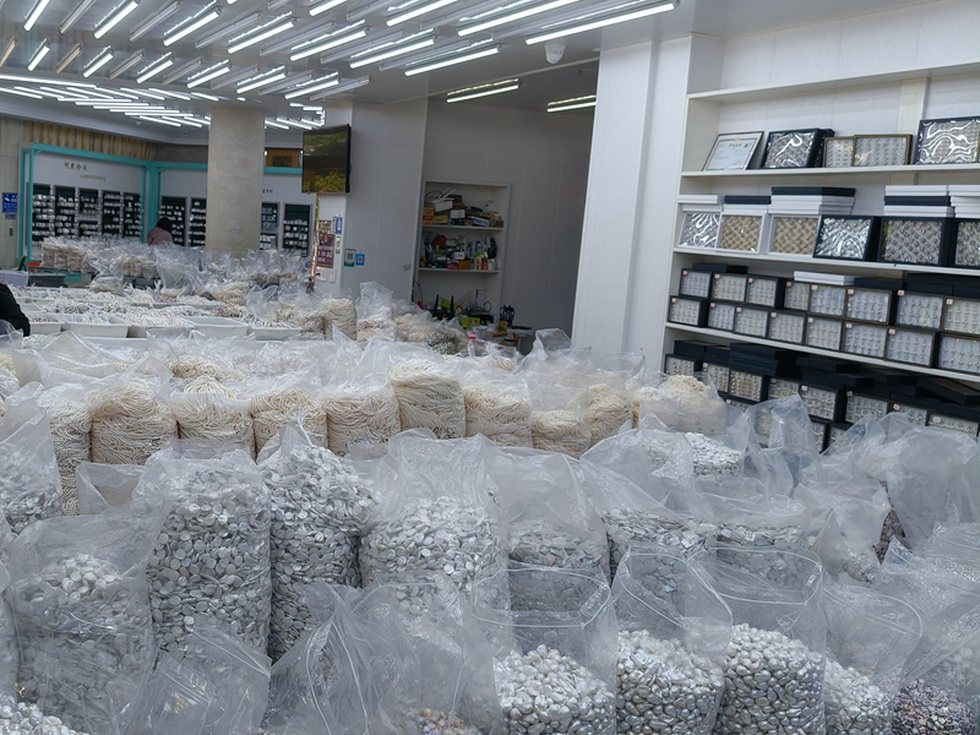
For a wholesale lot, define how samples are selected. Supplier-picked best pieces can demonstrate capability but not represent the shipment. Use random or stratified selection across cartons, colors, sizes and production batches when the goal is lot assurance. Keep heterogeneous lots separate. Record the lot size, sample count, selection method and which units were submitted. Testing a few pieces manages risk; it does not mathematically certify every untested unit unless a qualified sampling plan and decision rule establish that claim.
Protect identity, chain of custody and report integrity
Before shipment, photograph the item, record count, dimensions, weight, mounting, distinguishing features and any temporary seal or package identifier. List the sender, consignee and requested service. Use packaging that prevents rubbing, tangling and movement, and follow the laboratory's current submission instructions. For valuable items, agree declared value, insurance and return method with the responsible parties. Keep courier tracking and receipt records so the report can be linked to the item that was actually examined.
When the result arrives, verify it through the issuing laboratory's official channel if that service is available. Compare report number, date, item description, measurements, images and comments with the retained intake record. Do not accept a cropped screenshot as the complete report. Store the unaltered report and a controlled summary in product master data. If the item is later restrung, remounted or mixed with other pearls, preserve the history and avoid implying that the report covers components the laboratory did not examine.
Translate the result into a controlled buying decision
Read every qualifier. A report may state cultured origin, freshwater environment, detected treatment, no indications of treatment, or an inconclusive finding. These phrases are not interchangeable. Ask the laboratory for clarification rather than paraphrasing beyond the document. Compare the finding with the purchase order and disclosure statement, then decide whether to accept, hold, obtain more samples, relabel, segregate or reject under the agreed contract. Laboratory results should feed corrective action, not remain an isolated certificate.
Use recurring results to improve supplier controls. Track discrepancies by supplier, batch, product family and claim type. If an unusual color repeatedly requires escalation, increase documentation or sampling for that category. If results remain consistent, maintain verification at a risk-appropriate frequency rather than promising that future lots are automatically covered. Share only accurate customer-facing statements, and retain the supplier declaration, sampling record, report and disposition together so the evidence can be reconstructed later.
Procurement decision table
| Buying question | First control | Laboratory route | Key limitation |
|---|---|---|---|
| Pearl or imitation | Material declaration and magnified intake inspection | Pearl identification service | A visual clue alone is not conclusive |
| Natural or cultured | Confirm the claim and item value | Identification using radiography and supporting methods | Result covers the submitted item |
| Freshwater or saltwater | Review supplier origin records | Appropriate origin or mollusk assessment where available | Some conclusions may be limited or qualified |
| Natural or treated color | Compare batch, declaration and retained sample | Treatment-focused identification service | Not every process is detectable in every item |
| Commercial quality consistency | Random batch sampling and specification checks | Classification service if commercially justified | Classification does not necessarily identify origin or treatment |
Buyer checklist
- [ ] Define the exact identity, origin, treatment or classification question.
- [ ] Select evidence according to claim risk, lot value and customer requirements.
- [ ] Use non-destructive intake screening only as a triage step.
- [ ] Confirm the current report service and scope with the issuing laboratory.
- [ ] Record how wholesale samples were selected across lots and variants.
- [ ] Photograph, count, measure and securely identify every submitted item.
- [ ] Verify the complete report and link it to controlled product master data.
- [ ] Apply findings only to the examined scope and document the lot disposition.
Frequently asked questions
Can the tooth test prove that freshwater pearls are genuine?
No. Texture is subjective and can be affected by surface condition or coating. It cannot reliably establish natural versus cultured origin, freshwater origin or treatment status.
What is the main non-destructive method for seeing pearl growth structure?
GIA identifies digital X-radiography as a central method because it reveals internal structures. Laboratories combine it with visual observation and other methods as the case requires.
Is a cultured pearl classification report the same as an identification report?
No. GIA states that its Cultured Pearl Classification Report describes quality factors but does not provide identification or treatment information. Always confirm the selected service's scope.
How many pearls from a wholesale lot should be tested?
There is no universal number. Base the plan on lot structure, claim risk and decision consequences, and document random or stratified selection with help from a qualified laboratory or quality professional.
Related freshwater pearl buying guides
Sources and official references
Use these primary references together with the written product specification and destination-market professional advice.
Turn this guide into a purchase-ready specification
Send Tony Ren your target pearl product, quality tolerances, quantity, packaging and destination. We can discuss current-batch evidence, samples and a clearly scoped quotation.