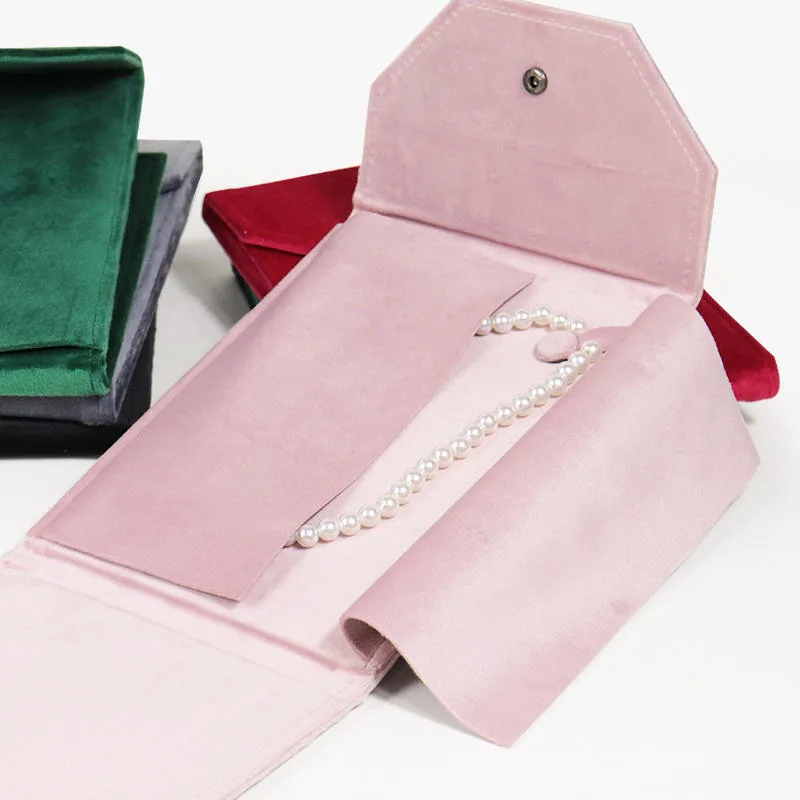
Define the care card's product and communication scope
Start from the exact necklace rather than a generic jewelry template. Record whether it uses freshwater cultured pearls, silk or synthetic thread, jewelry wire, knots, adhesive, plated or solid-metal findings, an extender, pendant or multi-strand construction. A care method that is suitable for one component can harm another. The card should cover the assembled product and route unusual damage or technical questions to the seller instead of encouraging customers to experiment with an unidentified cleaner or home repair.
Decide what the printed card, product page and customer-service script each need to do. The card should remain concise enough to be read and kept, while the online page can add illustrations and fuller context. Use accurate cultured-pearl terminology and distinguish care guidance from identity, treatment, durability or warranty claims. A statement such as handle gently is too vague on its own; useful instructions name the common exposure, action and storage habit the customer can control.
Give practical before-wear and during-wear guidance
GIA advises protecting pearls from cosmetics, perfume, hairspray and other chemicals. Translate that principle into a clear sequence: apply personal-care products first, allow them to dry, then put on the necklace. Remove the necklace before bathing, swimming, exercise, household cleaning or activities that expose it to chemicals, heavy perspiration, impact or snagging. Avoid absolute language such as chemical-proof or waterproof unless a defined product test and claim review support it.
Explain how to handle the necklace without turning the card into a warning list. Open and close the clasp by its intended mechanism rather than pulling the cultured pearls or stringing. Keep the necklace away from rough fabric, sharp accessories and hard jewelry that may abrade the surface. For long or multi-strand styles, untwist the layout before wearing and check that the clasp is fully engaged. Product photos or a small diagram can show an unusual closure more reliably than a dense paragraph.
Specify gentle after-wear cleaning and clear prohibitions
Recommend wiping the cultured pearls and accessible findings gently with a clean, soft cloth after wear. If the approved product guidance permits a slightly damp cloth, state how the necklace should be supported and dried before storage; do not imply that it should be soaked. The card should not prescribe a commercial cleaner unless compatibility with the pearls, stringing, adhesive and metal has been evaluated. When contamination or damage is beyond routine wiping, direct the customer to qualified advice.
Name common methods to avoid: abrasive cloths, brushes, ultrasonic or steam cleaning, harsh detergents, solvents and prolonged immersion. GIA notes that pearls require gentle care and should not be exposed to ultrasonic or steam cleaning. Avoid copying metal-polishing directions onto a necklace where polish can contact pearls or thread. If a component has separate care needs, explain how to isolate it or recommend professional service rather than giving conflicting instructions for the assembled piece.
Explain storage and travel without creating new risks
Tell customers to store the necklace separately from harder or sharp jewelry in the supplied pouch, box or another clean, soft container. Lay or arrange it without tight bends, tangles or pressure on the clasp, pendant and end connections. Do not promise that any closed package is suitable for long-term storage; the approved pack should be checked for abrasive surfaces, metal-to-pearl contact, dye transfer, excessive compression and a closure that can trap or kink the necklace.
For travel, recommend securing the necklace at several points or placing it in a fitted compartment so it cannot knot, rub or move freely. The clasp and extender should be positioned away from cultured-pearl surfaces. Ask customers not to pack heavy objects on top of the jewelry case or leave the necklace in conditions outside the brand's approved guidance. A simple packing illustration can prevent more handling errors than a generic travel carefully message.
Adapt instructions to stringing, clasp and product condition
A knotted necklace, wire-strung design and adhesive-set pendant do not need identical language. Confirm instructions with the technical specification and component suppliers. Do not tell customers to stretch thread, bend wire back into shape, apply household glue or tighten findings with improvised tools. If the clasp is magnetic, spring-loaded or otherwise specialized, include the correct opening motion and any relevant user caution that has been reviewed for the product and destination market.
Teach customers to notice changes without diagnosing them. Examples include visible fraying, loosened knots, unusual gaps, a bent finding, a clasp that no longer closes normally or a pearl that moves on its setting. The instruction can say to stop wearing the necklace and contact the seller for guidance. Keep this separate from promises about free repair, return eligibility or service time; those belong in the current after-sales policy, not in a care statement that may remain in the box for years.
Control wording, translations and customer-service use
Create one approved source version with product family, owner, issue date and revision. Use the same core instructions on printed cards, product pages, wholesale portals and customer-service templates. Review translations for jewelry terminology and actionable meaning rather than relying on literal machine output. Keep natural pearl and cultured pearl distinct, and do not let a shortened card turn freshwater cultured pearl into an inaccurate material claim.
Reopen the care review when stringing, findings, adhesive, coating, treatment, packaging or supplier changes. Archive prior artwork so teams can identify which card shipped with a batch. Train customer service to distinguish routine care questions from suspected damage, safety or product-identity issues and to escalate without inventing a remedy. Record recurring questions and improve the next revision, but do not quietly change instructions to conceal a known construction or quality problem.
Procurement decision table
| Instruction area | Customer action | Product evidence | Avoid |
|---|---|---|---|
| Before wear | Apply cosmetics first and let them dry | Approved exposure guidance | Perfume, spray and household chemicals |
| After wear | Wipe gently with a clean soft cloth | Complete-necklace care review | Soaking, abrasives, steam and ultrasonic cleaning |
| Storage | Keep separate and arranged without pressure | Tested pouch or box | Hard jewelry and tight bends |
| Travel | Secure the necklace and isolate the clasp | Pack-out evaluation | Free movement and heavy objects |
| Condition change | Stop wearing and contact the seller | Customer-service escalation path | Home glue, bending or improvised repair |
Buyer checklist
- [ ] Identify the cultured pearls, stringing, findings, adhesive and packaging.
- [ ] Give a clear sequence for cosmetics, dressing and necklace handling.
- [ ] Specify gentle wiping and prohibit unapproved soaking or machine cleaning.
- [ ] Explain separate storage, clasp placement and travel retention.
- [ ] Adapt instructions to the actual stringing and clasp mechanism.
- [ ] Tell customers which condition changes require them to stop wearing it.
- [ ] Separate care guidance from warranty, return and repair promises.
- [ ] Control one dated version across cards, pages, translations and support.
Frequently asked questions
Can a pearl necklace be cleaned in an ultrasonic cleaner?
GIA advises against ultrasonic and steam cleaning for pearls. Use the seller's product-specific gentle-care instructions and seek qualified guidance for contamination or damage.
Should customers soak a pearl necklace in water?
A complete necklace should not be soaked unless its approved instructions expressly support that method. Prolonged moisture can affect stringing, adhesive and metal as well as handling risk.
How should a cultured pearl necklace be stored?
Keep it separately in a clean soft container, arranged without tight bends or tangles, with the clasp and hard metal positioned away from cultured-pearl surfaces.
What should a customer do if the thread or clasp changes?
Stop wearing the necklace and contact the seller for guidance. Do not recommend home glue, bending or improvised tightening in the care card.
Related pearl necklace buying guides
Sources and official references
Use these primary references together with the written product specification and destination-market professional advice.
Turn this guide into a purchase-ready necklace specification
Send Tony Ren your target pearl necklace design, dimensions, quality tolerances, quantity, packaging and destination. We can discuss current-batch evidence, samples and a clearly scoped quotation.